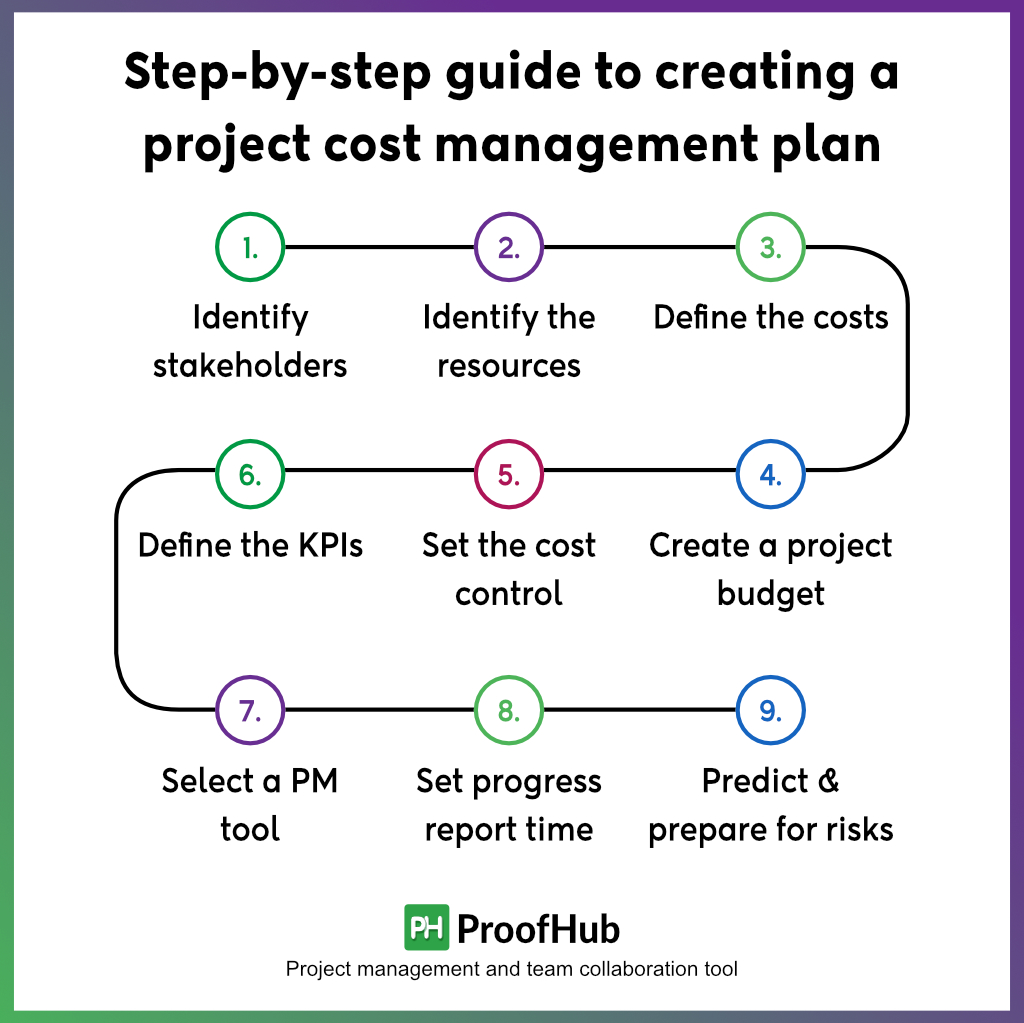
Expense Evaluation In Project Monitoring: A Total Overview Proteus sustains your job from beginning to end making certain you remain on spending plan, on schedule and create high-grade project results. Having accessibility to real-time information is vital to this phase of expense management. It advertises very early activity to fix problems and stop major spending plan discrepancies. Moreover, the presence of a durable job modification monitoring strategy can help reduce the impact of any type of adjustments in scope on the project's monetary efficiency. Besides software application, take a look at several of the most effective task expense estimation techniques in task management below.
Early Presence Of Shipment Danger
• Budget allotment and price controls establish economic guardrails. Assigning clear roles, establishing approval procedures, and focusing on high-impact activities assist prevent overspending prior to it takes place. The wanted high quality level of task deliverables can influence the spending plan. Better standards might require added sources or a lot more expensive materials. Take high quality assumptions right into account when estimating expenses and designating the spending plan.
Do project supervisors regulate expenses?
Cost preparation is a crucial part of the project monitoring procedure. Job managers require to understand where costs fall in their schedule to handle demand for resources. Usually, all sources that consume expenses will certainly be included in a source optimised routine.
Action 5 Include Contingency
Without reforecasting, the total job price drifts undetected.
T and M jobs rely on monitoring real prices and constantly updating estimated job prices.
Designating clear duties, setting approval procedures, and focusing on high-impact activities aid avoid overspending prior to it occurs.
Job managers can determine areas where expenditures can be minimized or reapportioned by monitoring prices.
If the project set you back price quote is low, groups soak up the distinction, and the margin erodes. This makes bottom-up task price evaluation and comprehensive project expense computation essential. A total expense estimate consists of labor, costs, backup, and assumptions. These components define the project cost quote, form job budget plan preparation, and figure out exactly how accurately groups approximate task price prior to shipment begins. A job cost price quote defines the expected distribution price before execution and works as the baseline for project price administration, budgeting, and cost control. Specify deliverables, stages, and reliances prior to constructing the job cost price quote. Bottom-up job expense evaluation constructs an expense estimate from individual jobs. This enhances exact cost estimate but enhances effort and calls for an in-depth range. Faster comments reduces difference, enhances projection precision, and reinforces the high quality of future job cost price quotes. Budgeting - Budgeting is the procedure of allocating funds to job activities based upon expense estimates and predicted margins. It involves creating an in-depth spending plan that details predicted expenditures and profits resources throughout of the project. Gather as much pricing details as possible to notify price quotes. When the high-level scope is defined, it's time to get involved in the following level of detail by collecting your demands. This task is a key part of any project preparation phase, transforming big-picture thinking right into specified demands from stakeholders. Despite which task methods you use, businesses are uncertain areas to function, https://vctbuilders.org/ and points typically go wrong. Groups depend on assumptions, indirect expenses get neglected, and the last task expense drifts much from the initial expense estimate. Without continuous monitoring, also a durable job expense estimation rapidly wanders, making it difficult to estimate task price precisely or determine project expense at conclusion. Project Manager - A project manager is accountable for looking after all aspects of a building task, from preparation and execution to surveillance and conclusion. Using a Work Failure Structure (WBS) permits job managers to damage the general task right into smaller sized, measurable parts.